Mood
Is it tense, warm, lonely, funny, meditative or demanding? Mood decides when a game fits your life.
Mossbyte was built for players who still love discovery but are tired of aggressive hype, empty scores and endless launch-week noise.
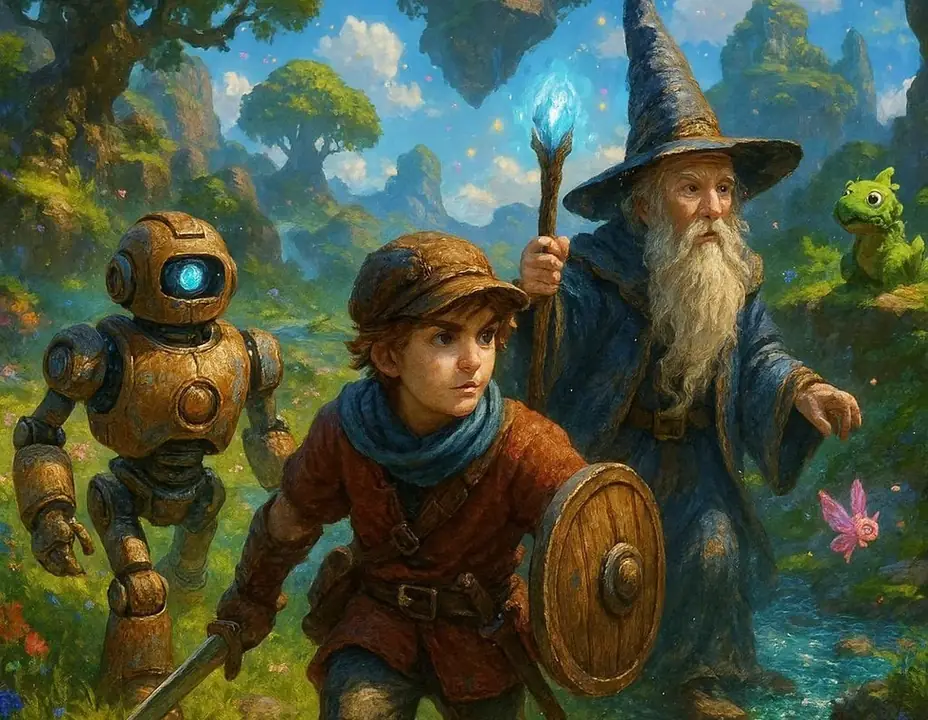
Not every great game is great for every evening. Some need patience. Some are perfect when you are tired. Some are better watched than played. Our job is to make those differences clear before you spend your money or your rare free time.
We care about the human side of play: mood, friction, rhythm, fatigue, curiosity and the little details that make a world feel trustworthy.
Our reviews and guides are built around the things players actually feel while playing, not only technical checklists.
Is it tense, warm, lonely, funny, meditative or demanding? Mood decides when a game fits your life.
We look at how quickly the game teaches, rewards and gives you a reason to return.
Good mechanics create stories. We explain the loop without turning the article into a manual.
A 12-hour game and a 120-hour game can both be generous if they respect your attention.
Sound, animation, UI, menus and tiny feedback moments are often what make a game stick.
We ask what remains after you close the game: images, decisions, music, comfort or a story you want to tell someone.
Scores are easy. Useful context is harder.
That is why Mossbyte focuses on readable recommendations and strong article structure. You should be able to open a page, understand the angle quickly and decide whether to keep reading.
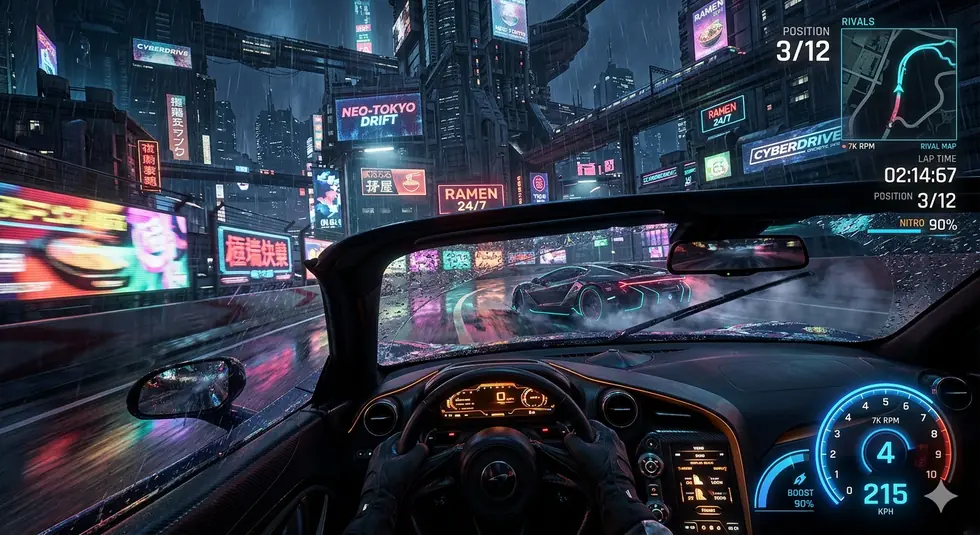
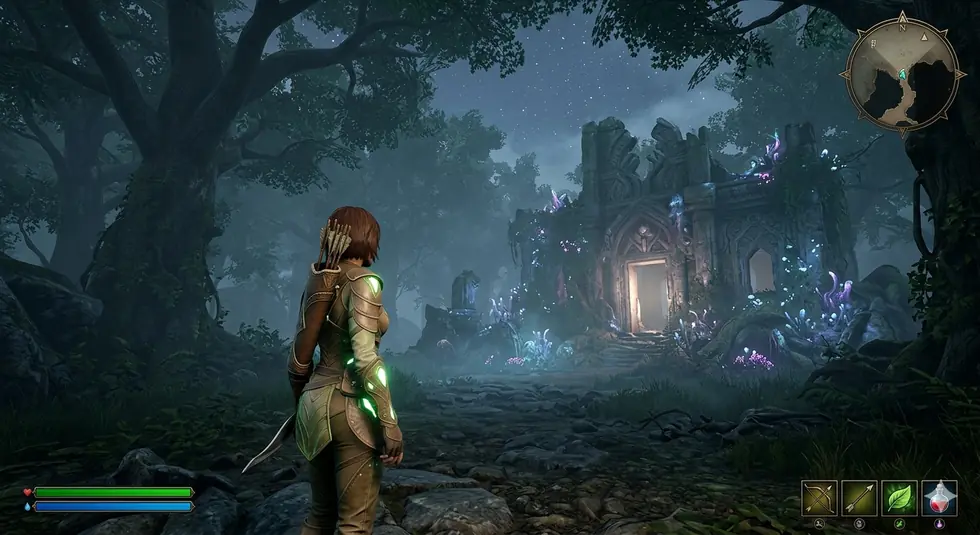
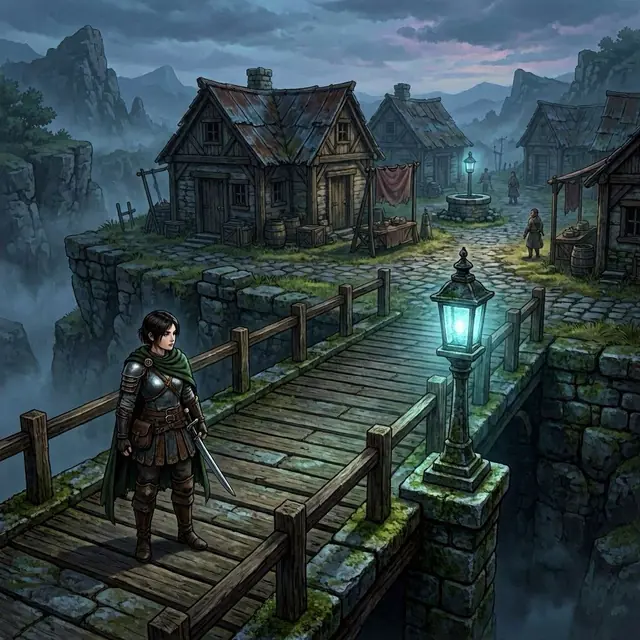
The best screenshots are not only pretty. They tell you how a game will feel: lonely, warm, tense, generous or strange.